Planning & Policy
Do You Need Planning Permission for Solar Panels? Homes & Businesses Explained
· 6 min read · Bright Ray Solar LTD
Do you need planning permission for solar panels in the UK? Permitted development rules for homes and businesses, conservation areas, listed buildings and flat roofs explained.
Permitted development for domestic solar panels
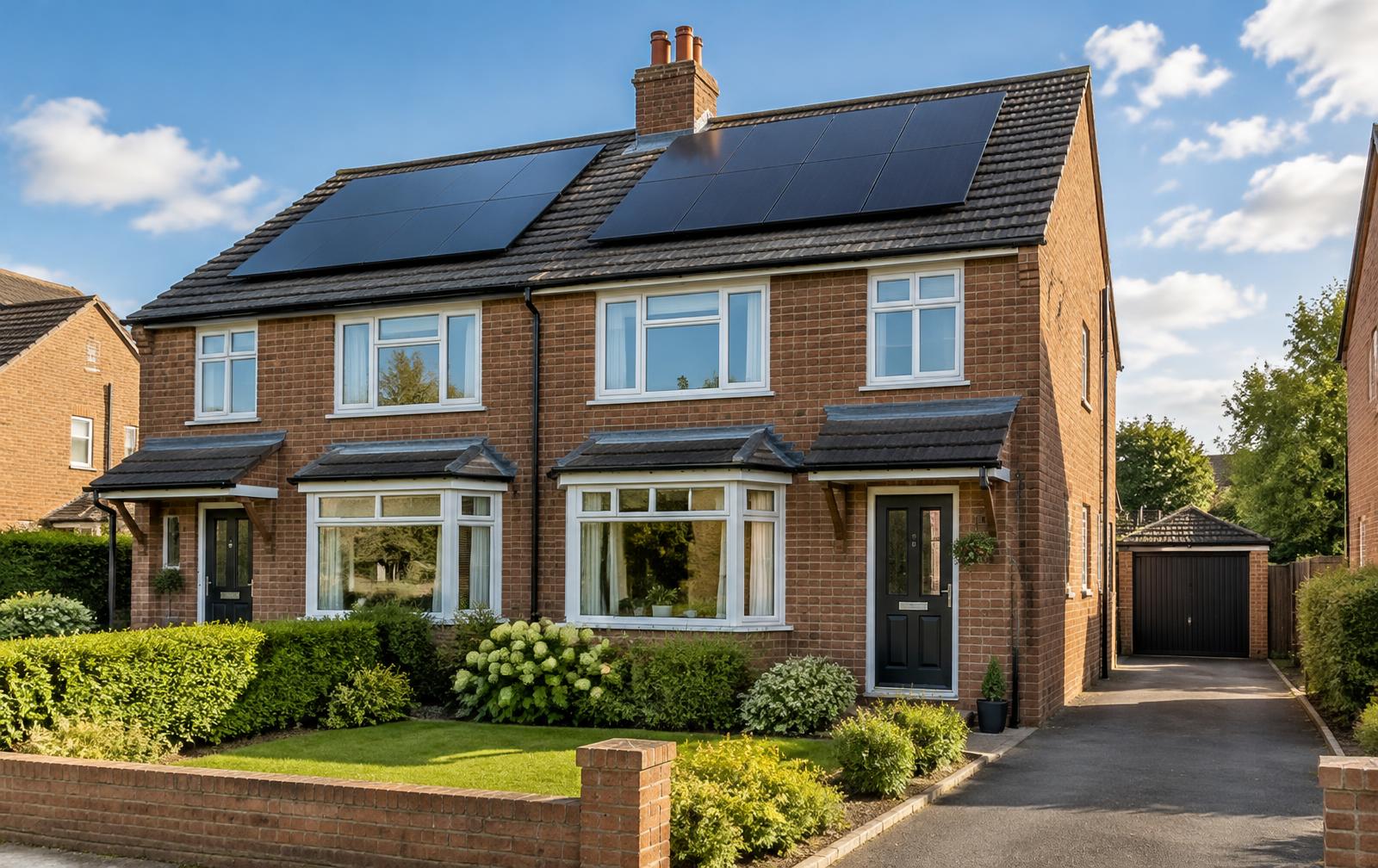
In England, most homeowners can install rooftop solar panels without planning permission under permitted development rights. Broadly, panels on a pitched roof should not protrude more than 200mm from the roof surface and should not sit higher than the highest part of the roof (excluding the chimney). Panels should also be sited, as far as practicable, to minimise their visual impact.
Rules in Scotland, Wales and Northern Ireland are similar in spirit but differ in detail, so always check with your installer or local planning authority.
Conservation areas and listed buildings
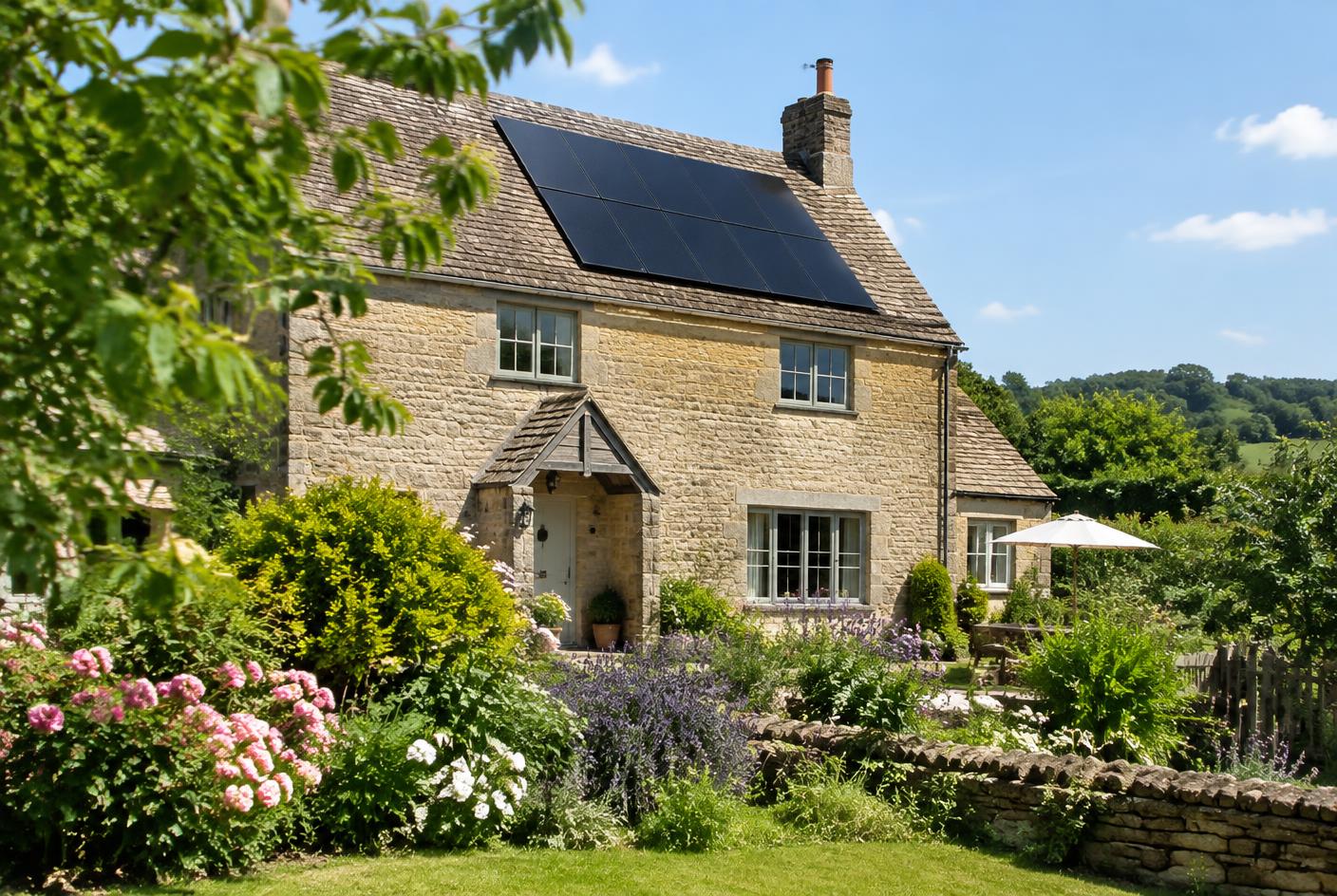
If your home is in a conservation area or a World Heritage Site, restrictions may apply to panels on walls or roof slopes facing a highway. Listed buildings almost always need listed building consent. All-black panels and careful positioning, such as on rear roof slopes, often help these applications succeed.
Planning permission for commercial solar panels
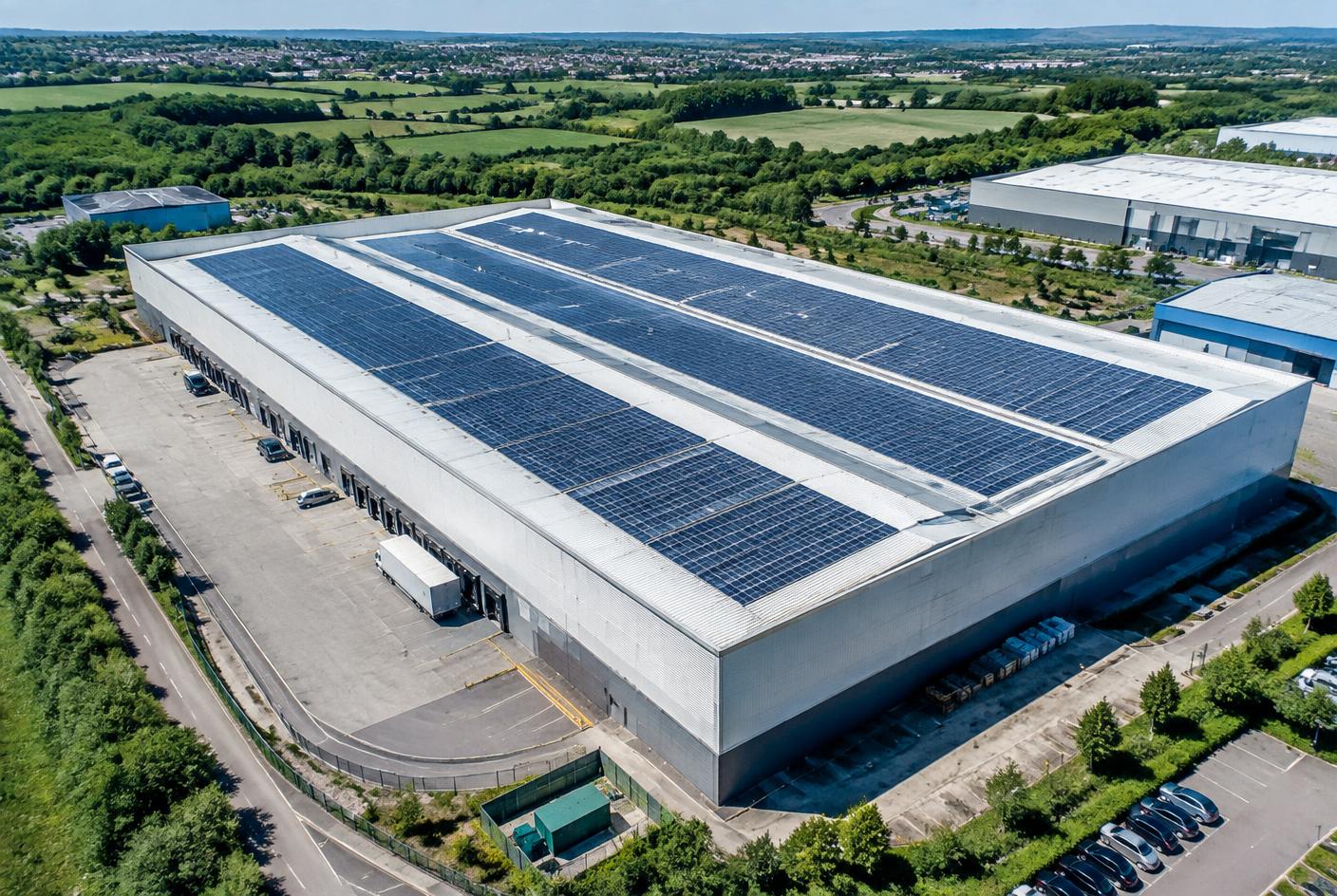
Many non-domestic rooftop solar installations also fall under permitted development in England, subject to conditions. Ground-mounted solar arrays, larger commercial schemes and sites with sensitive designations are more likely to need a full planning application.
The best way to get planning permission for solar panels
The best way to approach planning is to let an experienced solar installer check your property first. At Bright Ray Solar LTD we review permitted development criteria, conservation status and DNO requirements as part of our free survey, and where an application is needed we prepare drawings and supporting information for you.